
Saving Money with External Wall Insulation
Updated: Jul 28
When it comes to making a property more energy efficient, external wall insulation is one of the best investments you can make. It helps keep your home warm in winter and cool in summer. This reduces the need for heating and cooling, which lowers your energy bills. Over time, the savings can be significant. I want to share how external wall insulation works, why it saves money, and what you should consider before installing it.
How External Wall Insulation Works
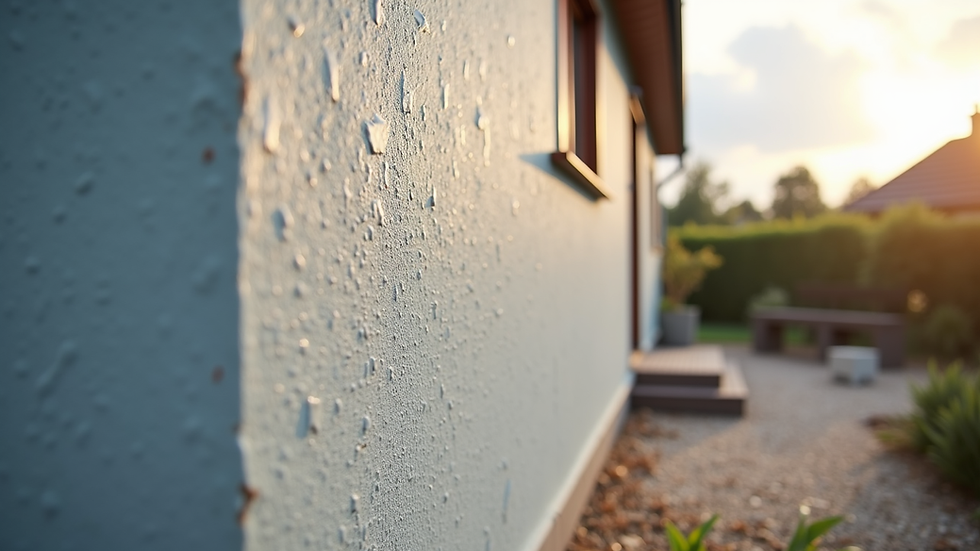
External wall insulation involves fixing insulating material to the outside walls of a building. This layer is then covered with a protective render or cladding. The insulation stops heat from escaping through the walls. It also prevents cold air from getting in. This means your heating system does not have to work as hard to keep your home warm.
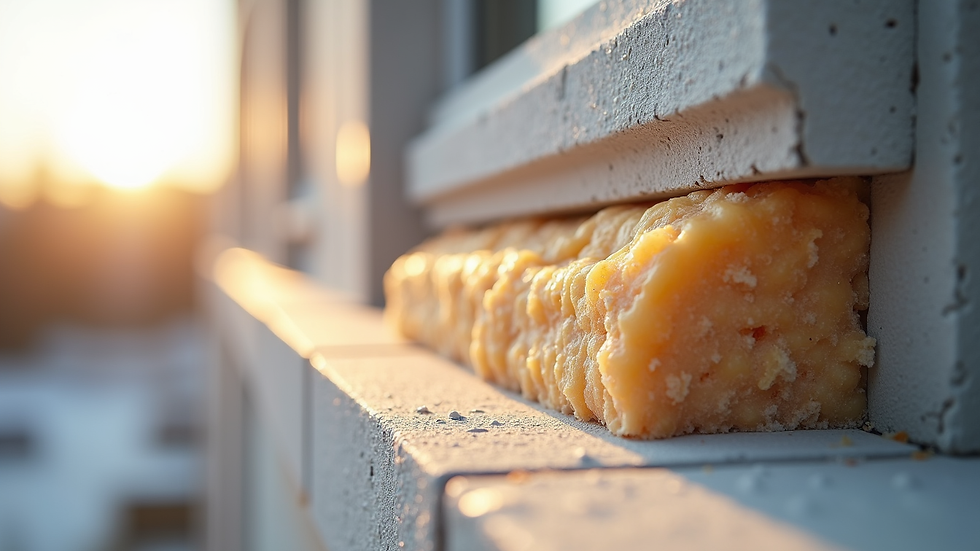
The insulation material is usually made from foam, mineral wool, or phenolic boards. Each type has different properties, but all improve the thermal performance of your walls. The render or cladding protects the insulation from weather damage and gives your home a fresh look.
This method is especially useful for older buildings with solid walls. These walls do not have a cavity to fill with insulation, so external wall insulation is the best way to improve their energy efficiency.
Benefits of External Wall Insulation for Energy Savings
One of the main reasons to choose external wall insulation is the energy savings it offers. By reducing heat loss, you use less gas or electricity to heat your home. This leads to lower energy bills. In London, where energy costs can be high, this makes a big difference.
Here are some key benefits:
Lower heating bills: Insulation keeps heat inside, so your boiler or heater runs less.
Improved comfort: Walls stay warmer, reducing cold spots and drafts.
Reduced carbon footprint: Using less energy means fewer carbon emissions.
Increased property value: Energy-efficient homes are more attractive to buyers and tenants.
The savings depend on the size of your property, the type of insulation, and your current energy use. But many homeowners see a reduction of 20% or more in their heating costs after installation.
Choosing the Right Insulation for Your Property
Selecting the right insulation material and system is important. You want something that fits your budget, meets building regulations, and suits your property’s style.
Here are some common options:
Expanded Polystyrene (EPS)
Lightweight and cost-effective. Good thermal performance and moisture resistant.
Mineral Wool
Fire-resistant and soundproof. Slightly more expensive but offers extra benefits.
Phenolic Foam
High insulation value with a thin profile. More costly but saves space.
You should also consider the finish. Renders come in different textures and colours. Some cladding options include brick slips or timber panels. These can enhance your home’s appearance while protecting the insulation.
Before installation, a survey will check your walls and recommend the best solution. It is important to use a trusted installer who understands local building rules and standards.
Installation Process and What to Expect
Installing external wall insulation is a straightforward process but requires professional skills. It usually takes a few days to a couple of weeks depending on the size of the property.
The main steps are:
Preparation: Cleaning and repairing the walls.
Fixing insulation: Attaching insulation boards to the walls.
Applying render or cladding: Covering the insulation with a protective layer.
Finishing touches: Painting or decorating as needed.
During installation, there may be some noise and disruption. It is best to plan for this and protect your garden or outdoor areas. After completion, your home will look refreshed and feel warmer.
Maximising Your External Wall Insulation Savings
To get the most from your investment, consider these tips:
Combine with other measures: Insulate your loft, upgrade windows, and seal drafts.
Use a smart thermostat: Control heating efficiently to avoid waste.
Maintain your system: Check for cracks or damage in the render and repair promptly.
Check for grants or schemes: Sometimes local councils or government offer financial help.
If you want to learn more about how to save money with external wall insulation, you can find detailed advice and support from trusted sources. For example, external wall insulation savings can be a great starting point to understand the financial benefits and options available.
Long-Term Value Beyond Savings
External wall insulation does more than just cut energy bills. It also protects your property from damp and weather damage. This can reduce maintenance costs over time. A well-insulated home is quieter and more comfortable to live in. It also helps your property stand out in a competitive market.
Investing in external wall insulation is a smart choice for anyone looking to improve their home’s energy efficiency and value. With the right materials and professional installation, you can enjoy lasting benefits for years to come.
Related reading
Ready to insulate your home? Get a quote for our external wall insulation service.


Comments