
External Insulation Services London: Your Guide to External Wall Insulation Options in London
Improving the energy efficiency of your property is a smart move. It reduces heating bills, increases comfort, and adds value to your home or commercial building. One of the best ways to achieve this is through external wall insulation. In London, where many buildings are older and less energy efficient, this solution is especially valuable. I want to share practical information about the main external wall insulation options available in London. This will help you make an informed decision that suits your property and budget.
Understanding External Insulation Services London
External wall insulation involves fixing insulation material to the outside walls of a building. This is then covered with a protective render or cladding. The process improves thermal performance by reducing heat loss through walls. It also protects the building from weather damage and can enhance its appearance.
There are several types of external insulation systems. Each has its own benefits and considerations. Choosing the right one depends on your building type, budget, and aesthetic preferences. Here are the main options you will find in London:
Traditional Render Systems
Brick Slips and Cladding
Insulated Panels
Natural and Eco-Friendly Materials

Popular External Wall Insulation Options in London
Traditional Render Systems
This is the most common form of external wall insulation. It involves attaching insulation boards to the wall, then applying a base coat and a decorative render finish. The render can be smooth, textured, or patterned. It also comes in various colours.
Advantages:
Cost-effective and widely available
Improves thermal efficiency significantly
Offers a fresh, clean look to older buildings
Can be customised with different textures and colours
Considerations:
Requires regular maintenance to keep the render in good condition
Not suitable for all building types, especially those with historic or listed status without permission
Brick Slips and Cladding
Brick slips are thin slices of brick that are fixed over insulation boards. This option replicates the look of traditional brickwork but adds insulation benefits. Cladding can also include materials like timber, fibre cement, or metal panels.
Advantages:
Maintains the classic brick appearance popular in London
Durable and low maintenance
Adds a layer of protection against weather
Suitable for both residential and commercial properties
Considerations:
Generally more expensive than render systems
Installation takes longer due to the complexity of fixing slips or panels
Insulated Panels
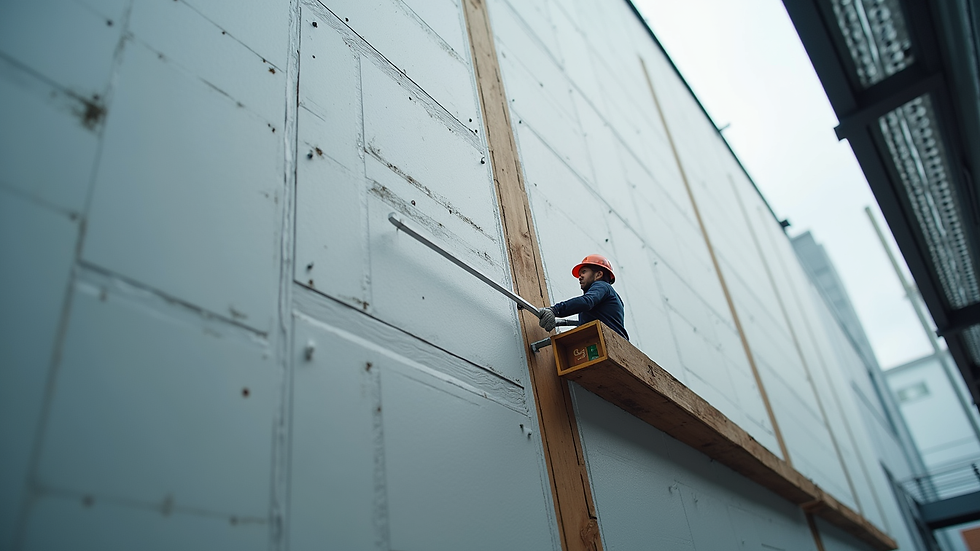
Insulated panels are factory-made boards that combine insulation and a finished surface. They are fixed directly to the wall and can be made from materials like expanded polystyrene (EPS), mineral wool, or phenolic foam.
Advantages:
Quick installation process
High insulation values
Variety of finishes available, including smooth, textured, or metallic
Good for commercial buildings needing fast upgrades
Considerations:
Panels can be more visible and less traditional in appearance
May require planning permission in some areas
Choosing the Right External Wall Insulation for Your Property
When selecting an external wall insulation system, consider these key factors:
Building Type and Age
Older buildings may need specific materials to avoid moisture problems. Newer buildings might allow more flexibility in choice.
Budget
Traditional render systems tend to be more affordable. Brick slips and insulated panels usually cost more but offer different benefits.
Aesthetic Preferences
Think about how you want your property to look. Render offers a smooth finish, while brick slips keep a classic look.
Planning and Permissions
In London, some areas have strict rules on external changes, especially in conservation zones. Always check with your local council.
Energy Efficiency Goals
Different insulation materials have varying thermal performance. Mineral wool, for example, offers good fire resistance and breathability.
Benefits of External Wall Insulation in London
External wall insulation offers several advantages beyond just energy savings:
Lower Heating Bills
By reducing heat loss, your heating system works less. This cuts your energy costs.
Improved Comfort
Walls stay warmer in winter and cooler in summer, creating a more stable indoor temperature.
Noise Reduction
Insulation also helps reduce outside noise, which is valuable in busy London areas.
Increased Property Value
Energy-efficient homes and buildings attract buyers and tenants.
Protection Against Weather
The insulation and render protect walls from rain, wind, and pollution.
If you want to explore professional options, companies offering external wall insulation London services can provide tailored advice and installation.
What to Expect During Installation
The installation process usually takes a few days to a few weeks, depending on the size of the property and the system chosen. Here is a typical sequence:
Survey and Assessment
A professional inspects your property to recommend the best solution.
Preparation
Walls are cleaned and repaired if needed.
Fixing Insulation Boards
Boards are attached to the exterior walls using adhesive and mechanical fixings.
Applying Base Coat and Reinforcement
A base coat with reinforcing mesh is applied to protect the insulation.
Finishing Coat
The final render or cladding is applied for weather protection and aesthetics.
Clean-up and Inspection
The site is cleaned, and the work is checked for quality.
During installation, some disruption is normal, but professionals aim to minimise inconvenience.
Maintaining Your External Wall Insulation
Proper maintenance helps your insulation last longer and perform well:
Regular Cleaning
Remove dirt and algae from renders or cladding surfaces.
Check for Cracks or Damage
Repair any cracks in the render promptly to prevent water ingress.
Inspect Fixings and Joints
Ensure panels or brick slips remain securely fixed.
Professional Inspections
Schedule inspections every few years to catch issues early.
Good maintenance protects your investment and keeps your property looking its best.
Taking the Next Step
If you want to improve your property’s energy efficiency and appearance, external wall insulation is a smart choice. London offers many options to suit different needs and budgets. I recommend contacting a trusted provider to discuss your specific requirements. They can guide you through the process, from choosing the right system to installation and aftercare.
By investing in external wall insulation, you reduce energy costs, increase comfort, and boost your property’s value. It’s a practical upgrade that pays off in the long run.
I hope this guide helps you understand the external wall insulation options available in London. If you want to learn more or get a quote, consider reaching out to specialists in external wall insulation London. They can provide expert advice tailored to your property and goals.


Comments