
Choosing the Best External Wall Insulation for Your Property
Improving your property's energy efficiency is a smart move. External wall insulation (EWI) is one of the best ways to do this. It keeps your home warm in winter and cool in summer. It also reduces energy bills and increases property value. But with many options available, choosing the best external wall insulation can feel overwhelming. I will guide you through the key points to consider, helping you make the right choice for your building.
Understanding the Best External Wall Insulation Options
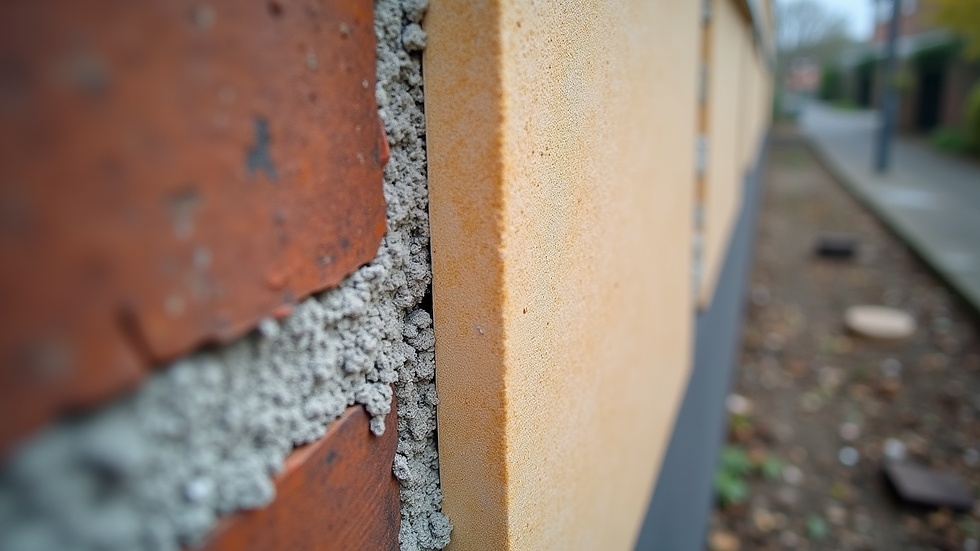
External wall insulation involves fixing insulation material to the outside of your walls. This is then covered with a protective render or cladding. The goal is to reduce heat loss through the walls, which is a major source of energy waste in many buildings.
There are several types of insulation materials used in EWI systems:
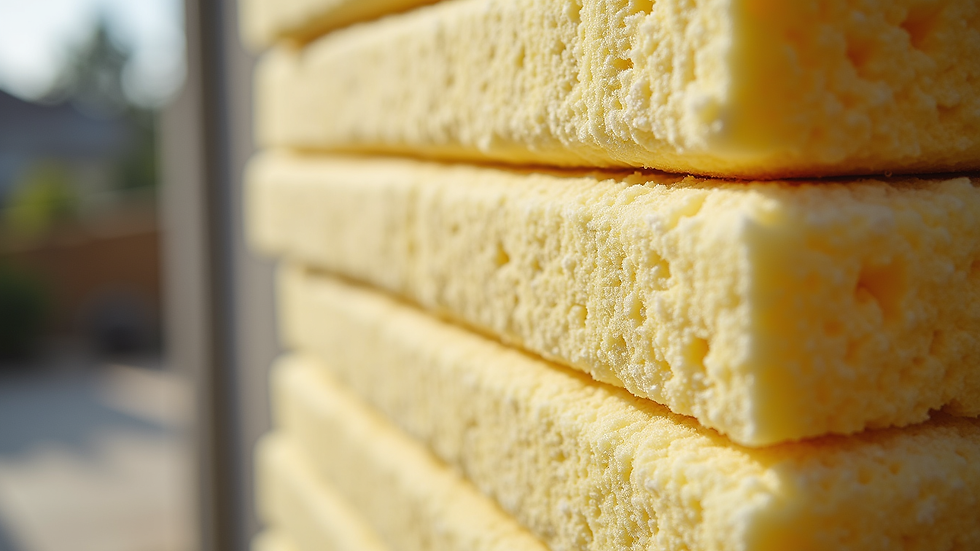
Expanded Polystyrene (EPS): Lightweight and cost-effective. It offers good thermal performance and is widely used.
Mineral Wool: Fire-resistant and soundproof. It is denser and slightly more expensive than EPS.
Phenolic Foam: High thermal efficiency with a slim profile. It is more costly but saves space.
Polyurethane Foam (PUR): Offers excellent insulation but can be pricier and less environmentally friendly.
Each material has pros and cons. Your choice depends on your budget, building type, and specific needs.
Why Choose the Best External Wall Insulation?
Choosing the best external wall insulation is crucial for long-term benefits. Good insulation improves comfort by maintaining a steady indoor temperature. It also cuts heating costs, which is important in London’s climate. Additionally, it protects your walls from damp and weather damage.
A well-installed EWI system can increase your property’s value. It also helps meet building regulations and environmental standards. For landlords and commercial clients, this means attracting tenants and customers who value energy efficiency.
When selecting insulation, consider:
Thermal performance: How well it keeps heat in or out.
Durability: How long it lasts without needing repairs.
Fire safety: Compliance with safety standards.
Aesthetic options: Colours and finishes that suit your building.
Cost-effectiveness: Balance between price and performance.
What type of insulation should I use on exterior walls?
Choosing the right type of insulation depends on your building’s structure and your goals. Here are some common scenarios:
Solid walls: These walls lose a lot of heat. EPS or mineral wool are popular choices here. Mineral wool is better if fire resistance is a priority.
Cavity walls: If your cavity is too narrow or filled with insulation already, external insulation might be better. Phenolic foam or PUR can be good for slim profiles.
Older buildings: Breathable materials like mineral wool help prevent moisture problems.
Commercial buildings: Often require robust, fire-resistant insulation like mineral wool.
It’s important to get a professional survey to assess your walls before deciding. This ensures the insulation suits your property and local regulations.
How to Choose the Right Installer for External Wall Insulation
The quality of installation is as important as the insulation material. Poor installation can lead to damp, cracks, or reduced efficiency. Here are tips to find the right installer:
Check credentials: Look for certified installers with experience in EWI.
Ask for references: Speak to past clients or read reviews.
Get multiple quotes: Compare prices and services.
Discuss materials: Ensure they use high-quality insulation and finishes.
Understand warranties: Good installers offer guarantees on their work.
A professional installer will also help you navigate planning permissions and building regulations in London.
Maintenance and Longevity of External Wall Insulation
External wall insulation systems are designed to last many years, often 25 years or more. However, regular maintenance helps keep them in top condition.
Inspect the render or cladding annually for cracks or damage.
Clean the surface gently to remove dirt and algae.
Repair any damage promptly to prevent water ingress.
Check for signs of damp inside your property.
Proper maintenance protects your investment and ensures your insulation continues to perform well.
Making the Most of Your External Wall Insulation Investment
Choosing the best external wall insulation is a smart step towards a more comfortable and energy-efficient property. It reduces heating bills, protects your walls, and adds value. By selecting the right material and installer, you ensure a successful project.
If you want to learn more about what is the best external wall insulation, take time to research and consult experts. This will help you make an informed decision tailored to your property’s needs.
Investing in external wall insulation is a long-term benefit. It pays off in comfort, savings, and peace of mind.
If you want to improve your property’s energy efficiency and appearance, external wall insulation is a great choice. With the right approach, you can enjoy a warmer home and lower energy bills for years to come.


Comments